




Built for the Ages
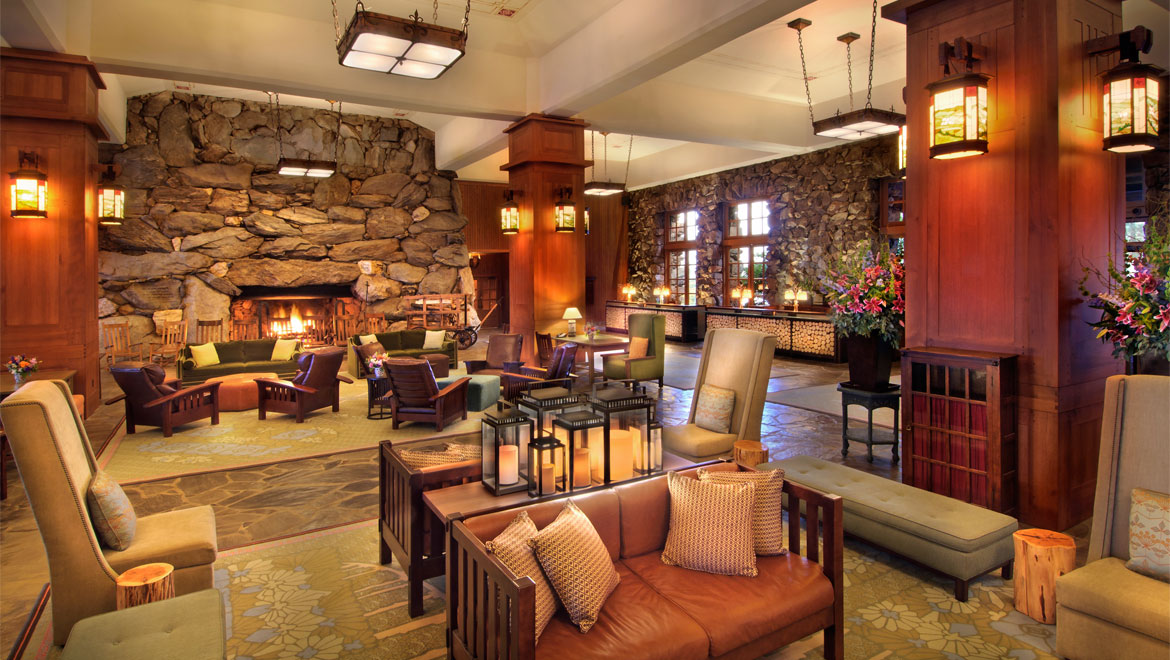
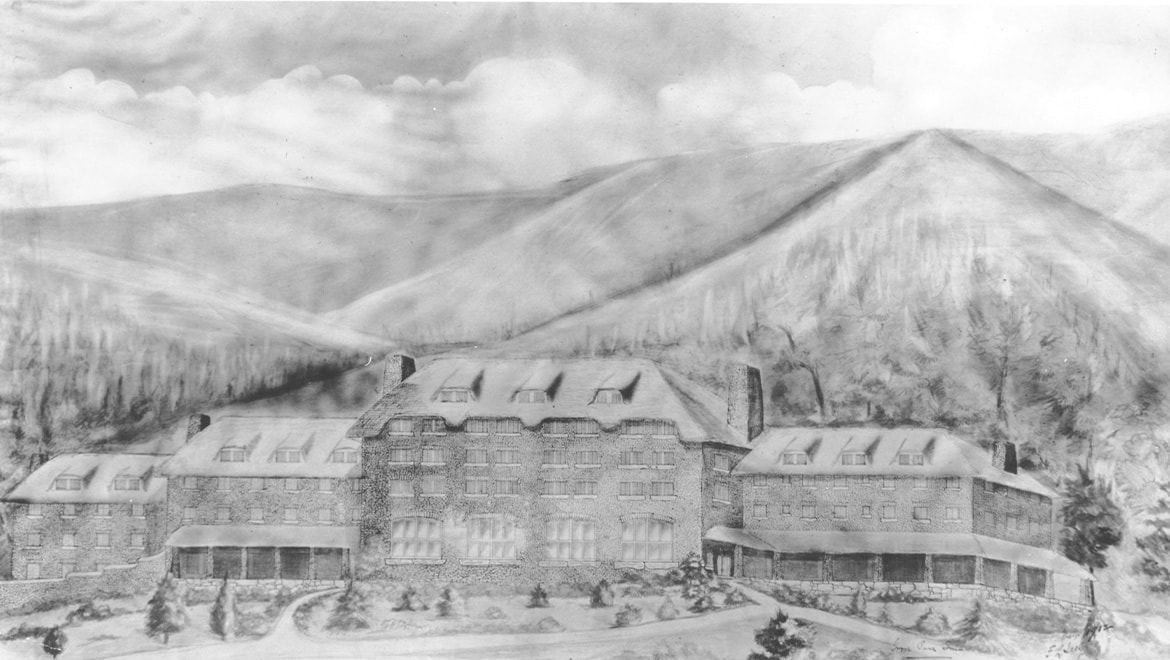
Just three days shy of one year after construction began, The Grove Park Inn opened on July 12, 1913. Secretary of State, William Jennings Bryan, delivered the keynote address to four hundred of the most distinguished men of the South, gathered for the opening banquet. He had no idea of how true his words would become when he proclaimed that The Grove Park Inn “was built for the ages”.
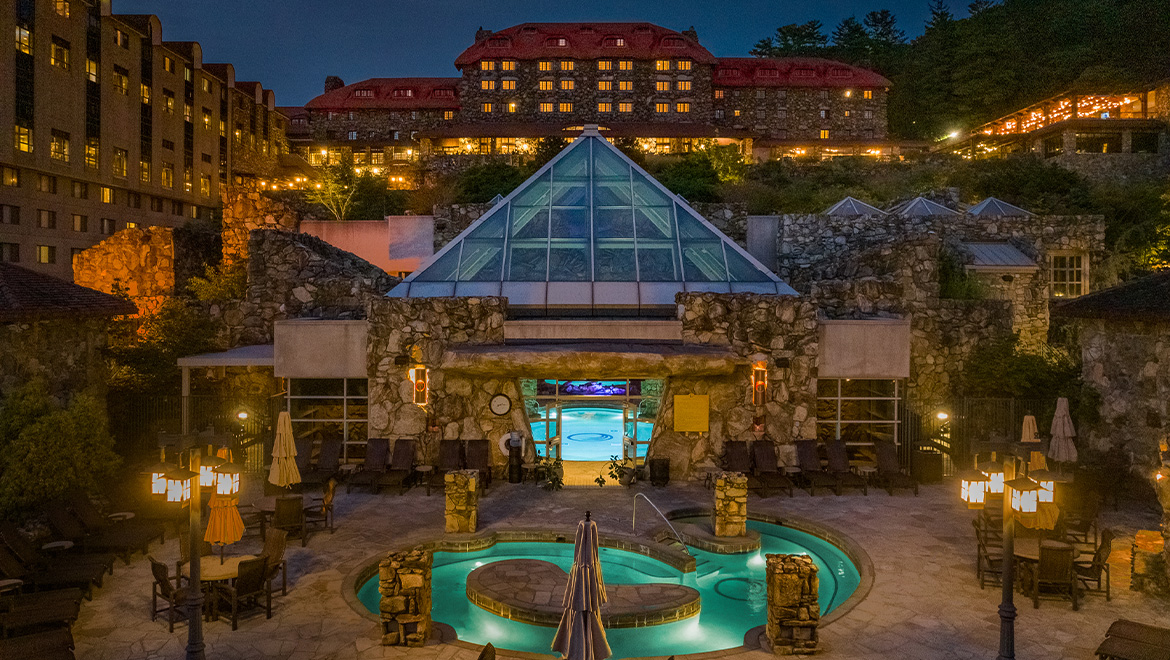
The original Grove Park Inn was founded by businessman Edwin Wiley Grove with the help of his son-in-law Fred Loring Seely. Completed in 1913, the main inn was designed after the Old Faithful Inn and the Canyon Hotel in Yellowstone National Park.
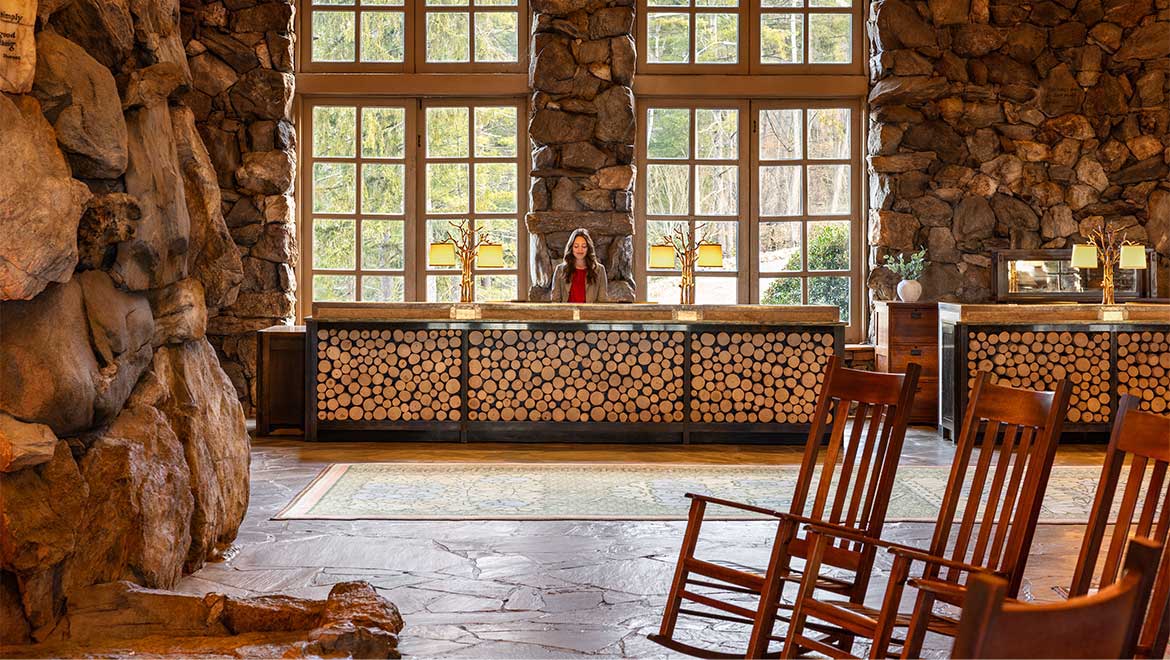
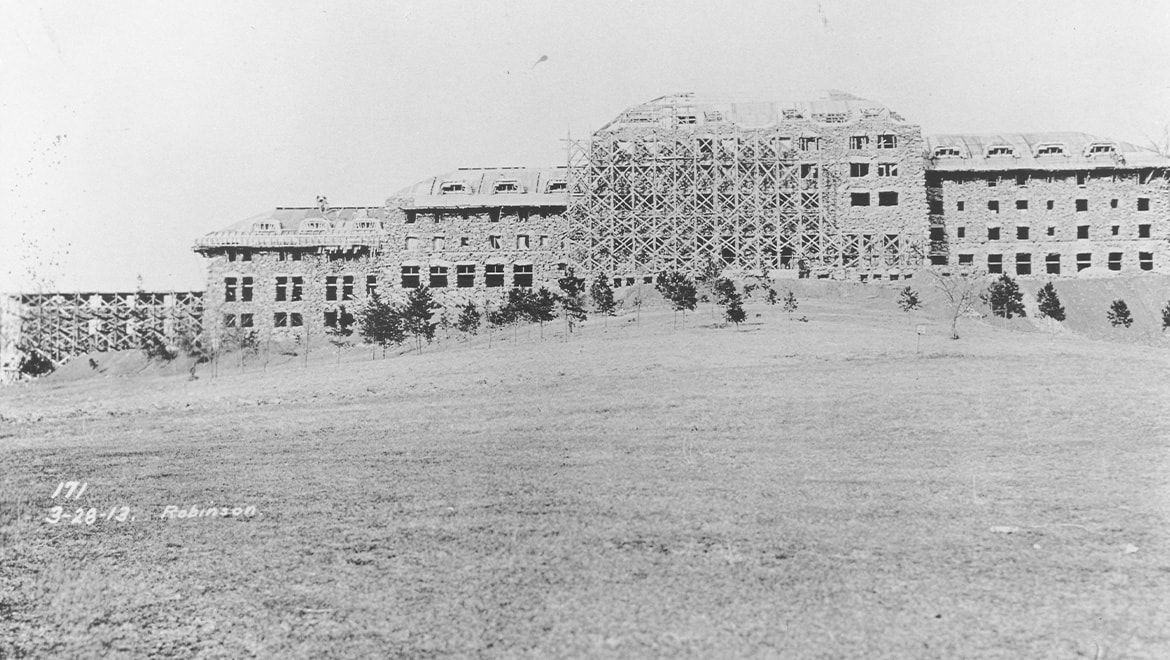
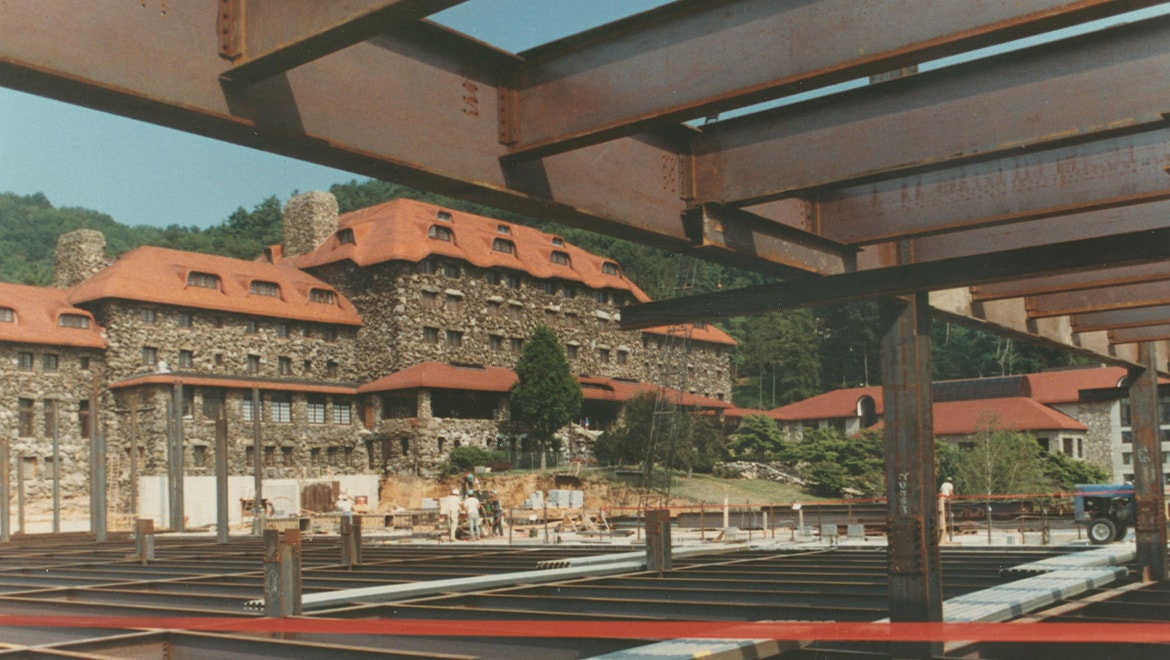
The Grove Park Inn was completed in less than a year, with the help of 400 workers, many of them Italian stonemasons, earning $1.00 a day – the best wages available at the time. When the 150-room hotel opened in the summer of 1913, newspapers across the country christened it “the finest resort hotel in the world.” The Grove Park Inn was listed on the National Register of Historic Places in 1973 and is a member of the Historic Hotels of America.
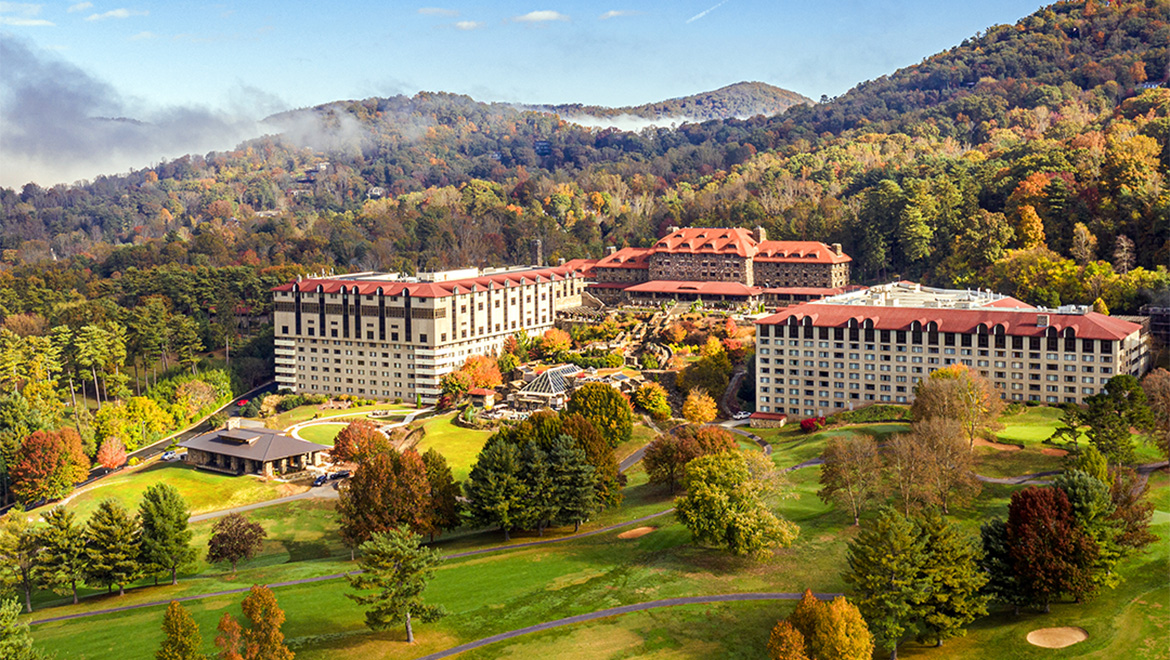
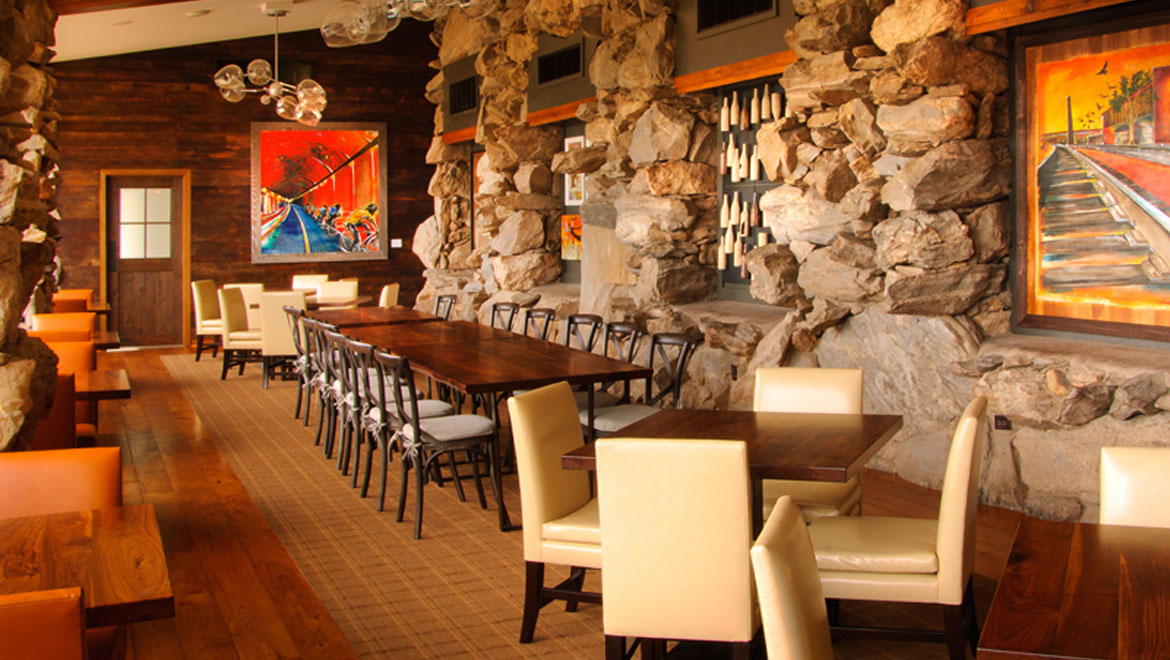
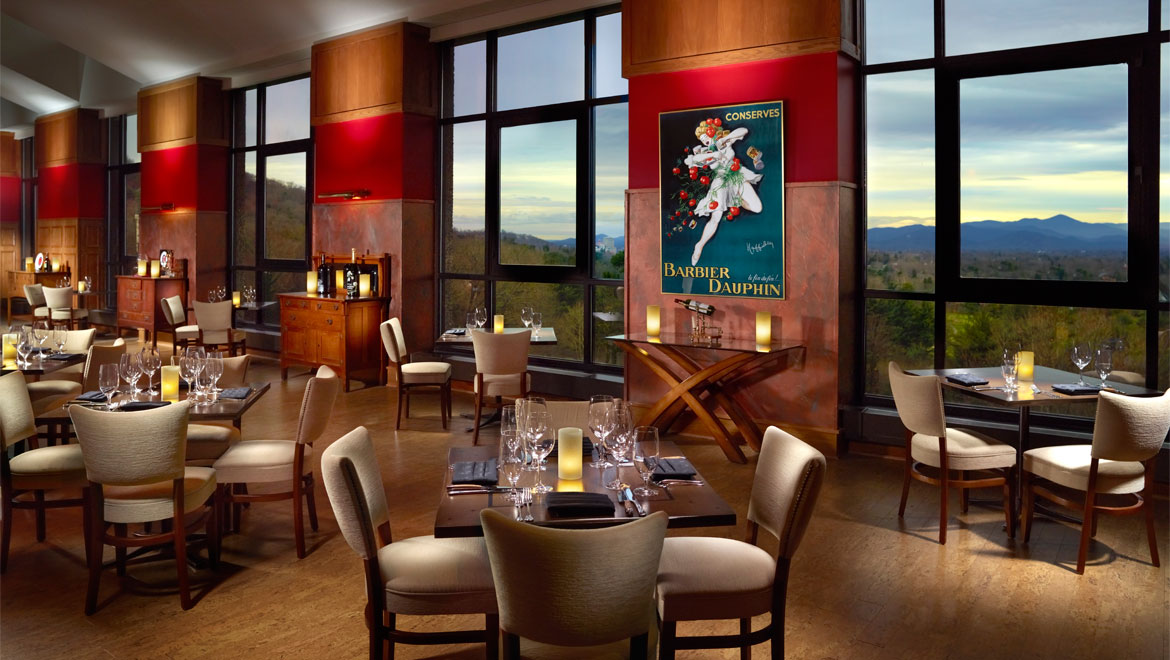
Today, The Omni Grove Park Inn & Spa is a highly sought-after Asheville destination with a world-class Spa, award-winning golf course, over 10 restaurants and bars, more than 500 guest rooms and some of the best views around.
The Grove Park Inn was completed in less than a year, with the help of 400 workers, many of them Italian stonemasons, earning $1.00 a day – the best wages available at the time. When the 150-room hotel opened in the summer of 1913, newspapers across the country christened it “the finest resort hotel in the world.” The Grove Park Inn was listed on the National Register of Historic Places in 1973 and is a member of the Historic Hotels of America.
Today, The Omni Grove Park Inn & Spa is a highly sought-after Asheville destination with a world-class Spa, award-winning golf course, over 10 restaurants and bars, more than 500 guest rooms and some of the best views around.

A Legacy Built for the Ages
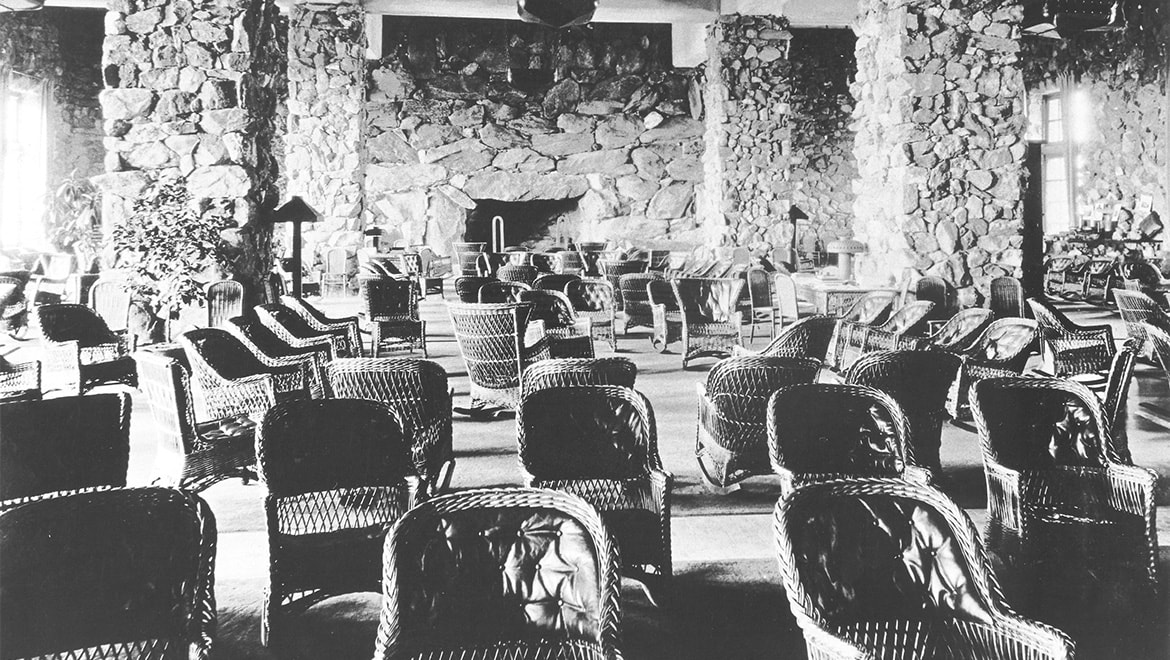
Journey through over 100 years of history and significant moments that shaped The Omni Grove Park Inn & Spa into one of the most iconic Asheville destinations.
This is a carousel. Use the Next and Previous buttons to navigate.
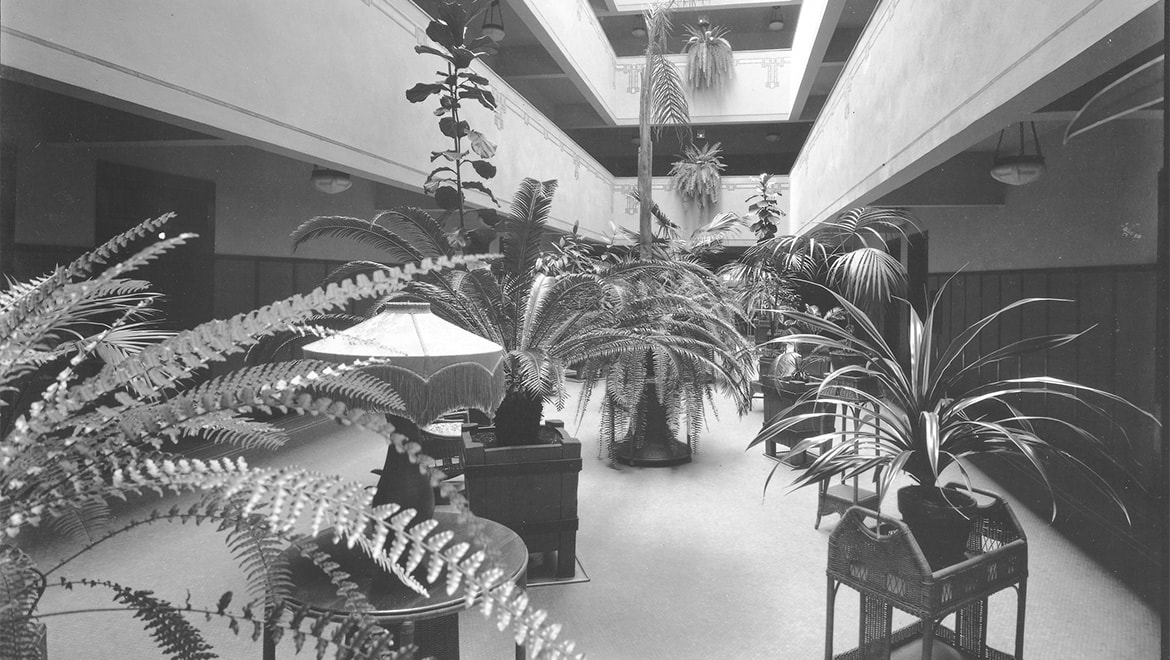
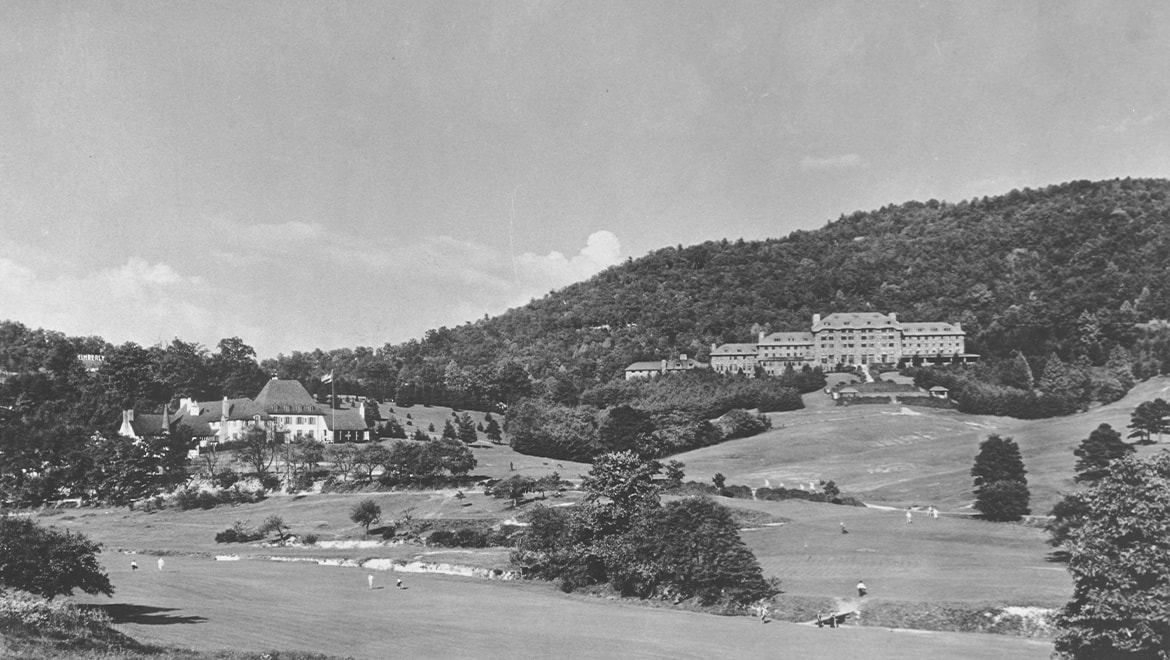
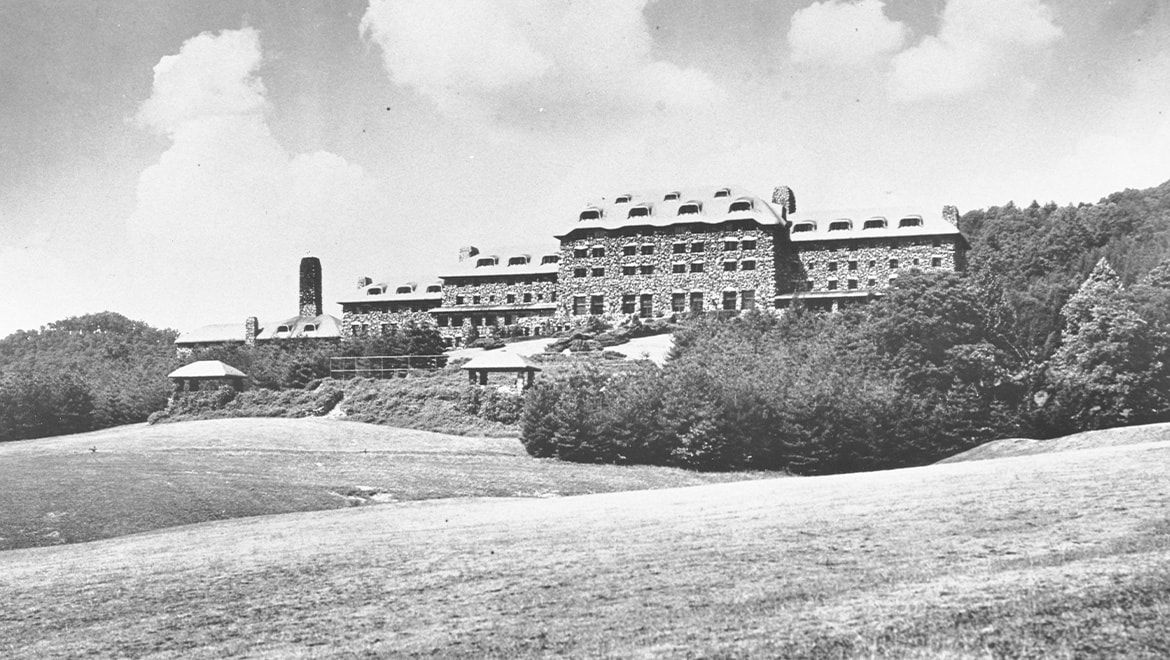
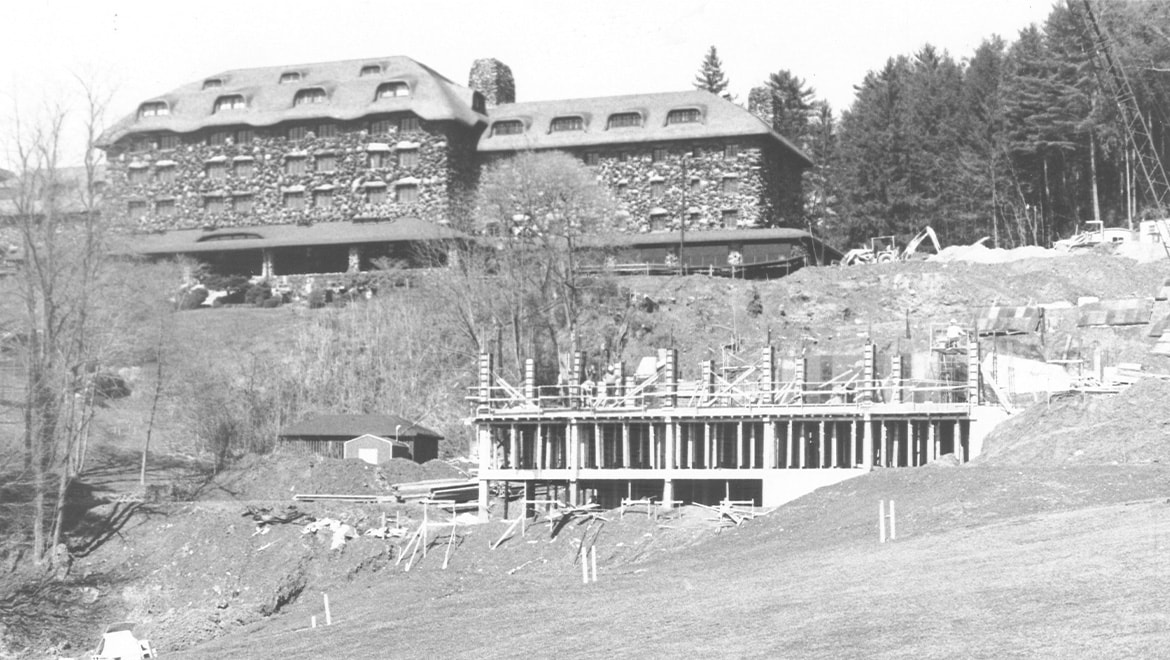

Classic Elegance, Modern Comforts
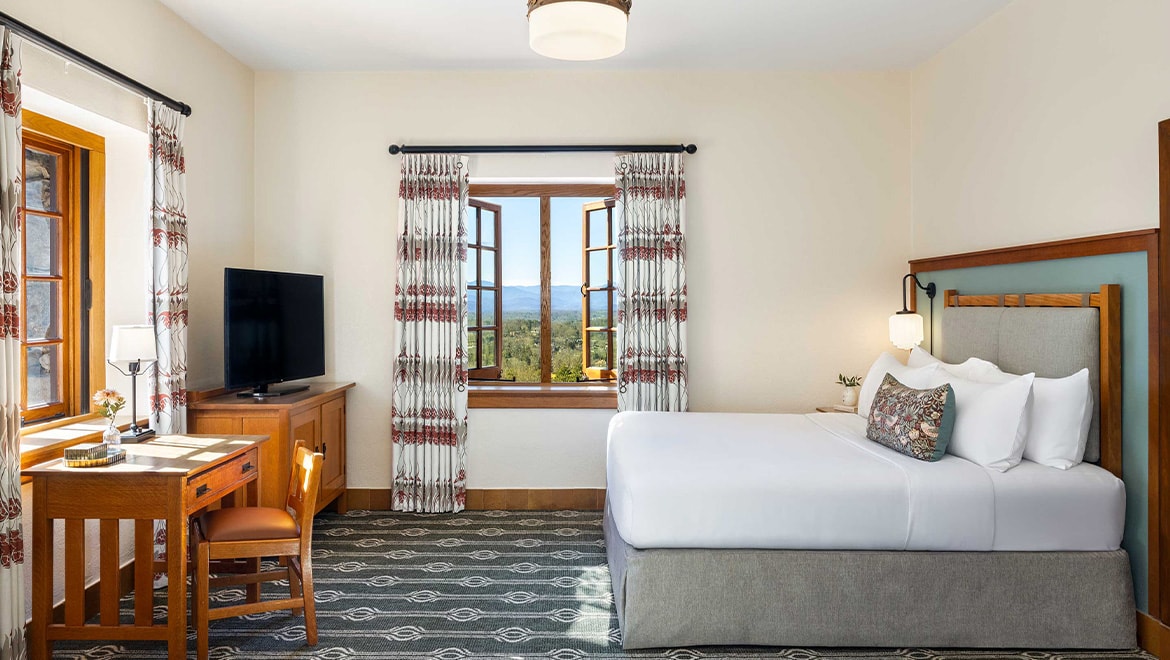
In 1913, Edwin Wiley Grove, known as the “Father of Modern Asheville,” established a hotel on Sunset Mountain that was proclaimed to be built for the ages. For over a century, travelers have been coming to this iconic Inn, which underwent a restoration project of the original Main Inn rooms to preserve history and redefine the future. Drawing inspiration from the Craftsman style and paying homage to the rich artistic legacy of the Arts and Crafts movement, the guest rooms’ design concept seamlessly blends craftsmanship with the natural beauty of the surrounding Blue Ridge Mountains. Discover a perfect blend of history and comfort, inviting you to relax and unwind in style.
A Modern Day Destination for Wellness

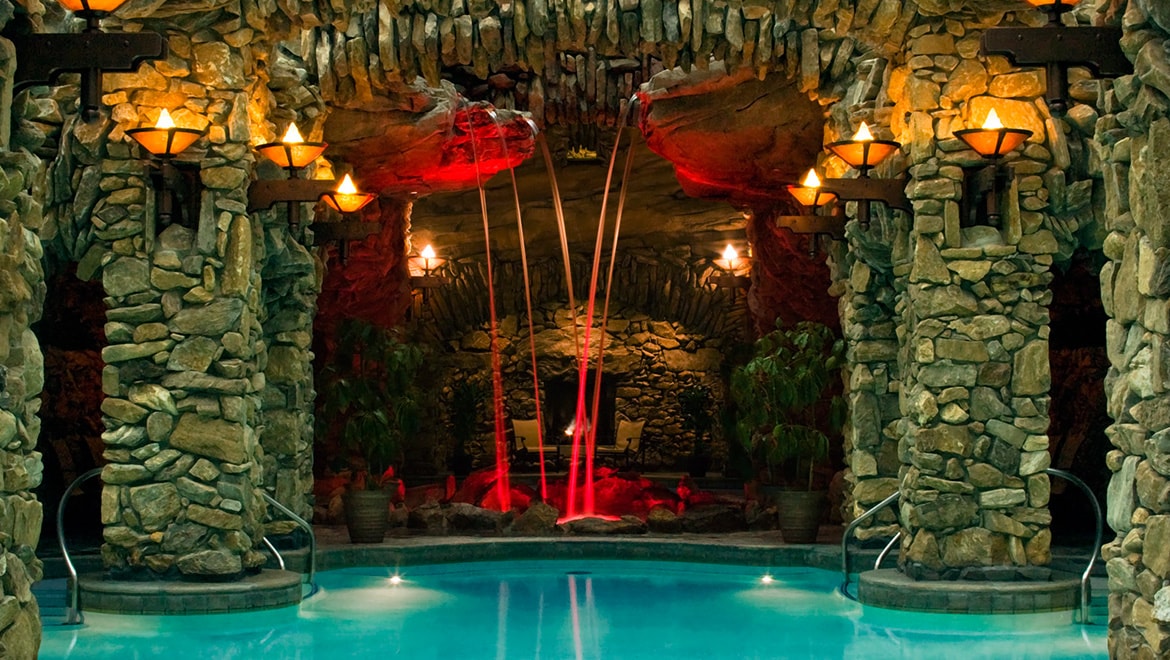
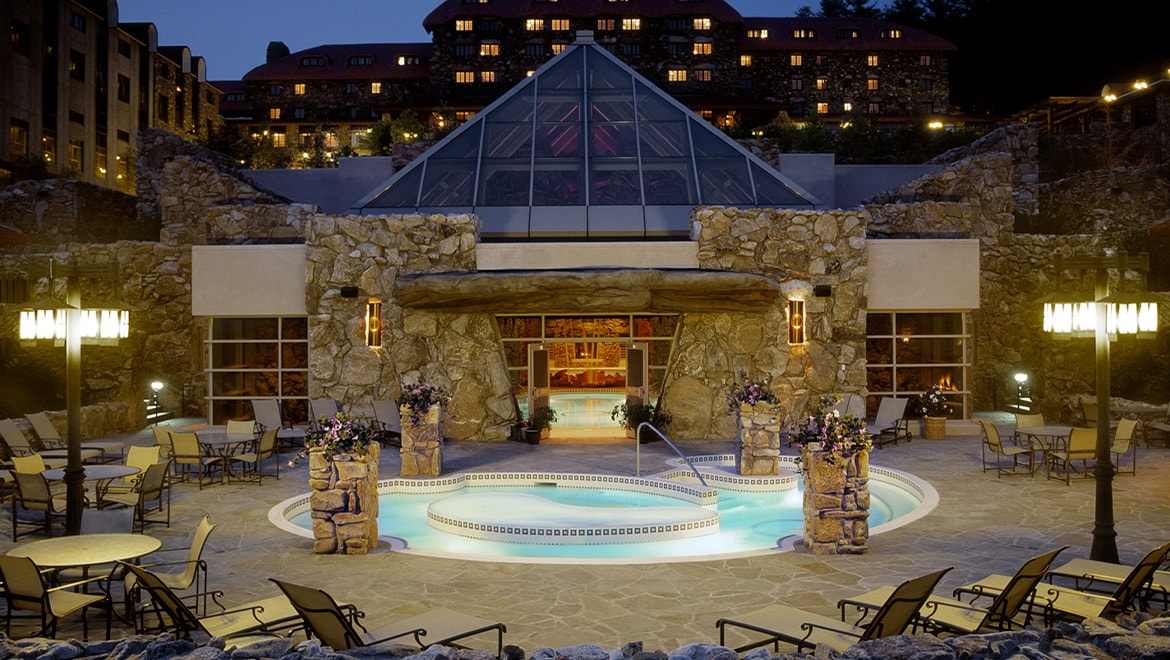
Since its inception, The Omni Grove Park Inn & Spa has been a health and wellness destination for city dwellers seeking rest and rejuvenation in the pure mountain air of Asheville, NC. Embracing its prominence as a premier destination for well-being, The Spa at The Omni Grove Park Inn is the first themed spa on the East Coast and is consistently voted as one of the top resort spas in the world. The Spa focuses on the area’s prominent natural surroundings by bringing the outdoors in with mineral water, natural light and rock formations. The 43,000-square-foot subterranean Spa features cavernous rock walls, arches, and tunnels, with numerous water features throughout. Guests can revitalize mind, body and spirit with therapeutic treatments in this electronics-free environment.
Where Legends Gather
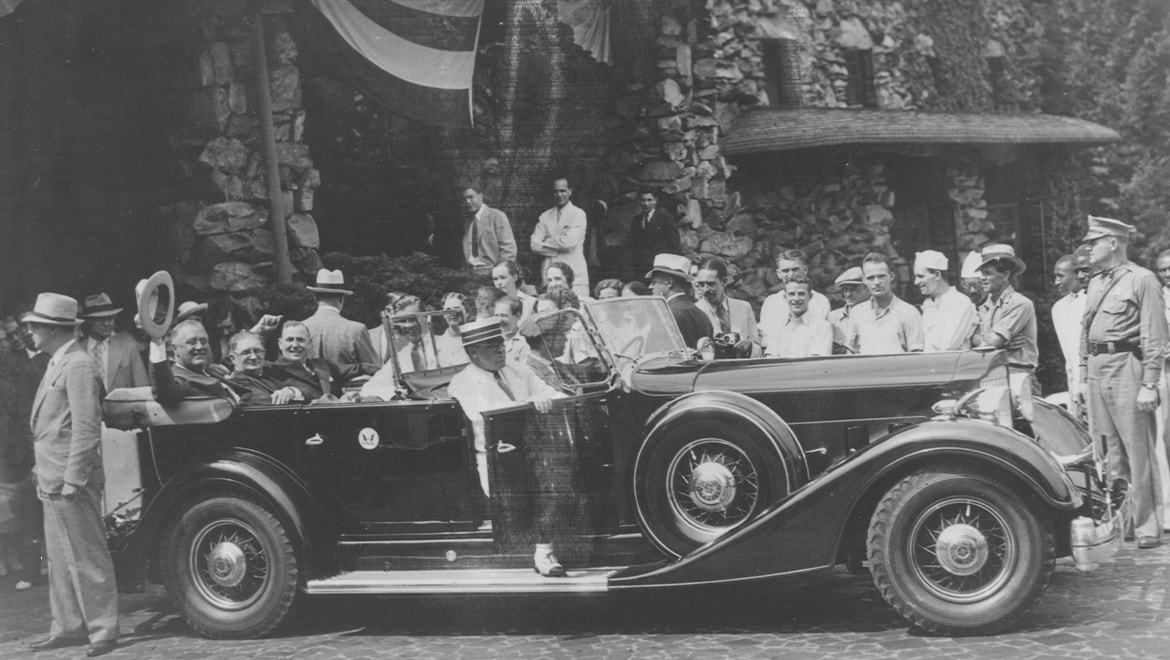
Walls of hallways throughout The Omni Grove Park Inn & Spa are lined with photographs that tell the fascinating story of the famous guests who have visited since 1913. Notable guests include F. Scott Fitzgerald, Thomas Edison, Henry Ford, Harvey Firestone, John D. Rockefeller, Harry Houdini and many others. Ten U.S. Presidents have also visited including William Howard Taft, Woodrow Wilson, Herbert Hoover, Calvin Coolidge, Franklin D. Roosevelt, Dwight D. Eisenhower, Richard M. Nixon, George H. W. Bush, William J. Clinton and Barack H. Obama.
